
Overview

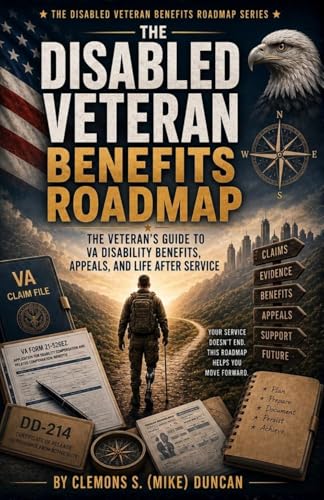

Early retirement holds particular resonance for veterans who have dedicated years to service, faced unique career transitions, and carry a distinctive set of benefits, networks, and values. The decision to depart active duty before the conventional retirement age often stems from a combination of personal readiness, health considerations, family needs, and the pursuit of civilian opportunities that align with long-term goals. This perspective emphasizes purposeful preparation, disciplined planning, and the leveraging of resources available through military and veteran communities.
Financial considerations
- Pension and retirement pay: Understand eligibility, calculation methods, and the impact of early retirement on lifetime benefits. Some programs may adjust distributions or have age-based triggers that influence payout timelines.
- Health care: Assess access to continued medical coverage, including TRICARE options, retiree health plans, and potential gaps between active service and civilian coverage.
- Savings and investments: Establish a robust plan that accounts for reduced or altered income, inflation, and the potential for civilian benefits such as 401(k) plans, IRAs, and employer-sponsored retirement accounts.
- Debt management: Create a strategy to minimize high-interest debt and manage mortgage or major obligations during the transition.
- Income streams: Explore post-service employment, part-time roles, or entrepreneurship, and plan for taxes, retirement account penalties, and eligibility for private-sector benefits.
Benefits, transitions, and support
- VA programs and benefits: Familiarize with disability ratings, compensation, education benefits, home loan programs, and vocational rehabilitation services.
- Medical transition: Map the path from military healthcare to civilian coverage, ensuring continuity of care for ongoing treatments or prescriptions.
- Veterans service organizations: Engage with alumni networks, regional offices, and local chapters to access mentorship, job leads, and practical guidance.
- Career transition services: Seek out civilian resume transformation, interview coaching, and credential alignment for fields of interest.
- Education and training: Consider certificate programs, degree commuting options, and flexible coursework that respects prior military training and experience.
Health and well-being
- Physical readiness and wear: Acknowledge the long-term effects of service-related injuries or exposures and arrange appropriate medical reviews, preventive care, and adaptive strategies.
- Mental health: Prioritize screening for stress, anxiety, or transition-related challenges; pursue counseling, peer support groups, or mindfulness practices as needed.
- Purpose and identity: Develop routines and social structures that sustain a sense of purpose, including volunteer work, mentorship, or part-time duties aligned with personal values.
Career pathways after service
- Civilian sectors aligned with military skills: Logistics, cybersecurity, project management, engineering, healthcare administration, law enforcement, and education are common fits.
- Entrepreneurship: Leverage leadership, discipline, and problem-solving to build small businesses or consultancy practices.
- Public service: Explore roles in federal agencies, state institutions, or non-governmental organizations that value disciplined backgrounds and mission focus.
- Education and training: Consider teaching, vocational instruction, or corporate training roles that capitalize on experiential knowledge.
Practical steps for a smooth transition
- Create a detailed transition plan: Timeline, milestones, financial projections, and contingency options should be documented.
- Inventory military credentials: Translate ranks, duties, and certifications into civilian equivalents to streamlineResume building and credential recognition.
- Build civilian networks: Attend industry events, join veteran-focused job fairs, and cultivate mentors in target fields.
- Update formal documents: Prepare a tailored resume, 2–3 page professional summary, and a concise LinkedIn profile that highlights transferable skills.
- Seek veterans-specific resources: Utilize employment programs, apprenticeship opportunities, and employer outreach initiatives designed for veterans.
- Plan housing and relocation: Align residential considerations with anticipated civilian life, cost of living, and proximity to desired job markets.
- Maintain compliance with regulatory requirements: Ensure any continuing education, licensure, or security clearances remain current or properly transitioned.
Psychological readiness and personal leadership
- Reflection on service identity: Acknowledge the impact of military experiences while embracing new roles and identities outside the uniform.
- Goal alignment: Clarify short-, medium-, and long-term objectives to preserve motivation during the transition.
- Resilience practices: Maintain routines, seek peer support, and leverage coping strategies to navigate change with steadiness.
Resources and references
- Veteran affairs offices and hotlines: Access official guidance on benefits, healthcare, and transition assistance.
- Career development programs: Engage with accredited programs that recognize military training and offer bridge opportunities.
- Educational benefits: Explore scholarships, tuition assistance, and veteran-specific academic advisement.
- Community networks: Leverage local veteran groups, mentorship circles, and peer support communities for practical advice and encouragement.
Closing thoughts
Approaching early retirement as a veteran involves disciplined planning, deliberate utilization of available benefits, and an ongoing commitment to purpose and wellness. By aligning financial readiness, health considerations, and professional reinvention, the transition can become a structured, empowering phase that honors service while embracing new horizons.